Oakboro owners of retrievers, shepherds, and other double-coated dogs tend to ask the same question each spring: the dog is shedding everywhere, so why not shave it and be done? The answer sits inside the coat itself. A double coat is a working system, and the loose undercoat causing the mess is only one layer of it.
De-shedding treatments at Janinas Pet Spa & Boarding Inc. work with that system instead of against it. This guide explains the layers, the treatment, and the slow damage that builds when the loose layer is left in place season after season.
Guard hairs outside, insulation inside
The outer guard coat is coarse, water-resistant, and carries the dog's color. Beneath it, the undercoat is fine, dense, and soft, and its job is temperature: it holds warmth in cold weather and, less obviously, it shields the skin from direct sun and heat in summer. Dogs adjust the system seasonally, growing undercoat in and then releasing it, which is the blow-out owners see in spring and, to a lesser degree, in fall around the Piedmont.
Indoor life blurs the cycle. Steady light and temperature mean many house dogs shed moderately all year and heavily twice. That background shedding is normal and cannot be switched off by any bath, clip, or supplement, which is worth knowing before anyone sells you a permanent fix.
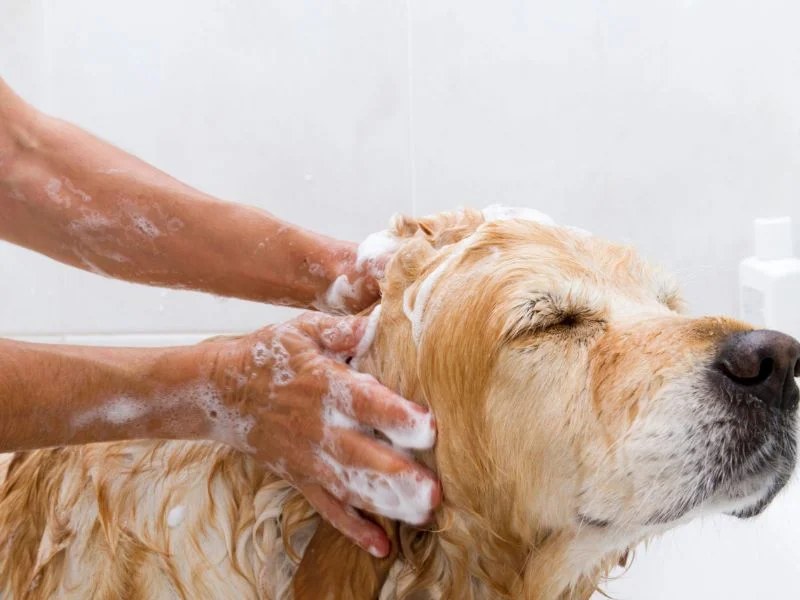
Inside a de-shedding appointment
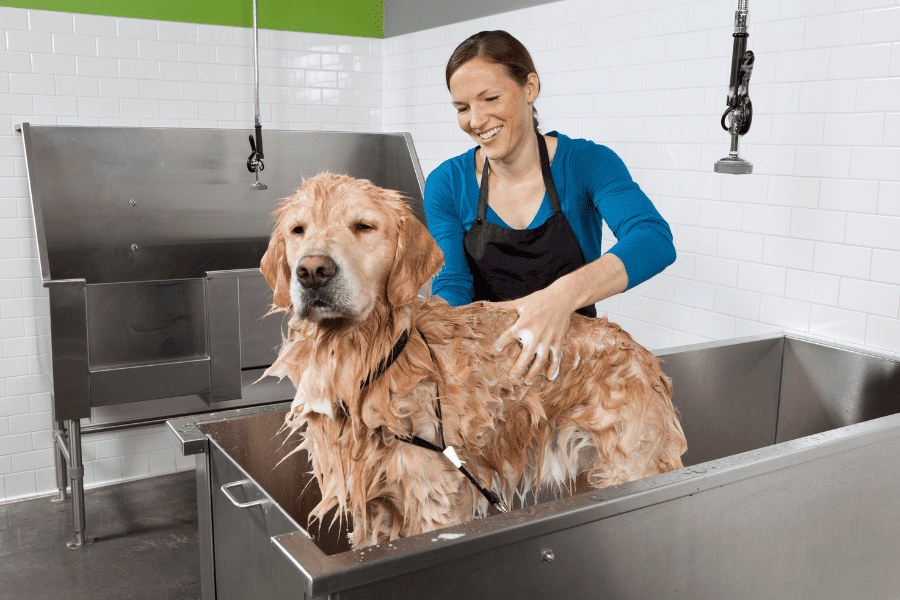
The sequence matters. First, a bath works coat-loosening products down to the skin and starts the release of undercoat that is ready to go. Next, a high-velocity dryer blows the coat apart with air pressure, lifting the undercoat out and exposing the skin so the groomer can see its condition. Then rakes and brushes matched to a double coat remove what the dryer loosened, in sections, until a comb moves through cleanly.
Owners are often startled by the pile of hair, and that pile is the point. It is several weeks of normal shedding collected in one visit, on the salon floor, instead of distributed across your house, car, and clothes over the following month. The dog goes home with the coat it still needs, guard hairs intact, skin checked, and airflow restored through the undercoat that remains.
Neglect compounds: packed undercoat over seasons
Loose undercoat that is never removed does not fall out on its own schedule forever. It packs. Each shed adds to a felted layer that mats at the skin, holds moisture through humid Oakboro summers, and blocks the airflow the coat uses to regulate temperature. Dogs overheat more easily under a packed coat, and the skin beneath, damp and unseen, develops hot spots and irritation that nobody catches until the smell gives it away.
By the time a heavily packed dog reaches a groomer, the session is longer and harder on the dog, tight areas may have to be clipped out as a last resort, and genuinely damaged skin may need a veterinarian before grooming can finish. Contrast that with the dog on a six-to-eight-week rhythm in season: each visit is shorter, the coat stays functional, and problems under the coat get spotted while they are small. Neglect here rarely looks like cruelty. It looks like a busy spring, repeated three years in a row.
Shaving, ruled out with one exception list
Clip a double coat short and both layers come off to the same stubble. The dog loses sun protection and insulation, skin that has never seen direct sun can burn, and regrowth is often uneven because the fast undercoat returns before the slower guard hairs, leaving a fuzzy coat that mats more readily than the original. Some older dogs' coats never regain their former texture.
The exceptions are medical and practical extremes: a veterinarian directing a clip to treat skin disease, or a coat so packed and matted that no humane alternative remains. Outside those, the maintenance answer in Oakboro is unglamorous and effective: weekly home brushing during heavy shed, a full de-shedding bath and blow-out every six to eight weeks in season at Janinas Pet Spa & Boarding, and patience with a coat that is doing its job exactly as designed.
Common questions
How long does the benefit of a de-shedding treatment last?
Most owners notice several weeks of much lighter shedding. The underlying seasonal cycle continues, so peak spring and fall sheds may call for another visit in six to eight weeks.
My dog sheds all year. Is something wrong?
Usually not. Indoor light and steady temperatures blur the natural cycle into year-round light shedding with two heavy peaks. A sudden change in amount, bald patches, or itchy skin is worth a veterinarian visit.
Can I do a de-shed at home?
Partly. A thorough bath, careful drying, and raking at home help between visits, but home dryers rarely match a high-velocity salon dryer for lifting out undercoat across a whole large dog.
Photos in this guide are representative stock images.
← All guides from Janinas Pet Spa & Boarding Inc.← Back to Janinas Pet Spa & Boarding Inc.