Every doodle owner in Oakboro knows the moment. The dog gets wet, at the lake, in the rain, in a muddy Stanly County yard after a summer storm, and dries into something tighter and more tangled than the dog who got wet. Doodle coats run on a simple rule: water plus time equals mats, and the Piedmont seasons hand out water and humidity for most of the year.
This guide follows the seasons around Oakboro with the groomer's eye that staff at Janinas Pet Spa & Boarding Inc. bring to poodle-mix coats: what each part of the year does to the coat, what brushing has to look like to stay ahead of it, and how to talk honestly about a shave-down when the coat has already won a round.
Summer in the Piedmont is the main event
Heat, humidity, afternoon thunderstorms, and dogs in and out of water: summer is when doodle coats mat fastest in North Carolina. A coat that dries slowly in humid air tightens as it dries. Harness and collar friction works on wet hair more aggressively than dry. And the longer summer style many owners prefer is the most vulnerable version of the coat at exactly the wrong time of year.
The seasonal move is to go shorter before the heat, not after the mats. A manageable summer length rinses clean after a storm-soaked walk, dries to the skin in a reasonable time, and can be combed out in minutes rather than worked on for an hour. Owners who keep the long look through July can do it, but the price is line brushing several times a week, without exceptions for vacation weeks.
Fall growth, winter damp, spring shedding of the old year
Fall is deceptive. The dog grows out from the summer cut, coats get combed less as school and holidays take over evenings, and friction from jackets and longer indoor time felts the armpits and belly quietly. Winter in Oakboro adds damp rather than deep cold: wet grass, mud, and coats drying slowly in heated rooms. Spring returns pollen, rain, and the temptation to let a shaggy dog go one more month.
Layered over the seasons is the coat change. A doodle puppy's soft coat is replaced by denser adult hair during the first year or so, and the months when old coat is loosening while new coat grows through it are the worst matting window of the dog's life, whenever in the year they fall.
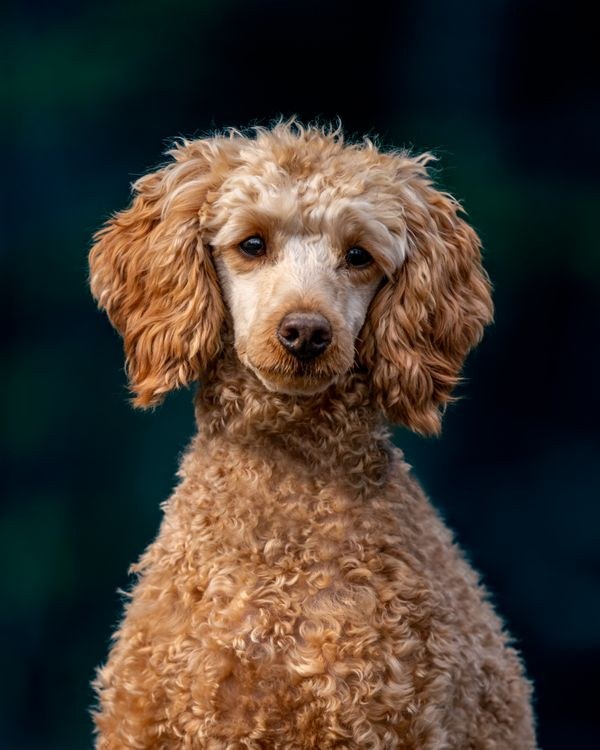
Brushing that matches the season
The method does not change with the calendar, only the frequency does. Line brushing means working in layers from the skin outward, lifting the coat and brushing the underneath first, then following with a metal comb that must pass from skin to tip. In the dry, calm weeks of fall, twice a week may hold a medium-length coat. In summer wet weeks, or during the coat change, the same dog needs it every other day, and after every swim or soaking without exception.
Focus where seasons attack: behind the ears, under the collar and harness, the armpits, the belly, and the backs of the legs. A doodle whose back brushes clean in two minutes can still be felting in all five of those places at once.
Seasonal doodle checklist for Oakboro
- Before summer heat: book a shorter cut you can maintain through swims, storms, and humidity.
- After every soaking, in any season: dry the dog fully, then brush and comb to the skin that same day.
- Weekly all year: comb-test ears, collar line, armpits, belly, and leg backs; fix snags while they are snags.
- During the first-year coat change: line brush daily until the adult coat is fully established.
- In fall: keep the brushing rhythm through jacket season and book holiday grooms before the coat grows out.
- Before boarding or a trip: groom first if the coat is near its limit, so it does not mat while you are away.
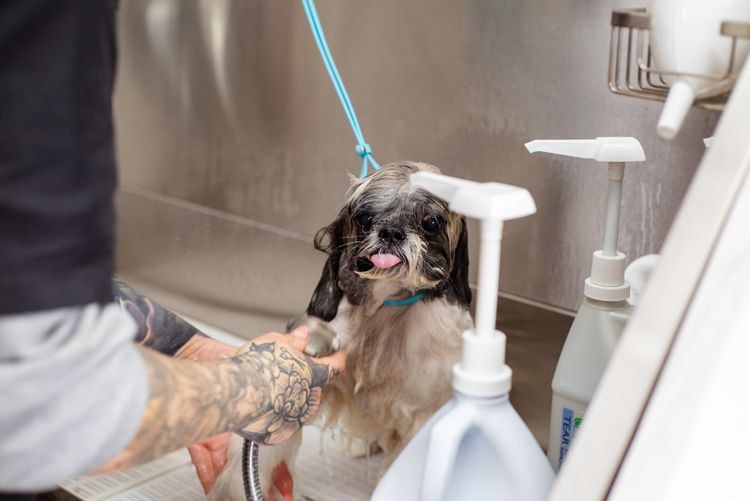
Starting over: the shave-down, from the dog's side
Picture the two options a groomer sees in a tightly matted coat. Option one is hours of dematting: pulling, splitting, and brushing at mats anchored to irritated skin while the dog stands and endures it. Option two is a blade passed under the mats, coat off in a fraction of the time, skin exposed so it can be checked and treated, and a dog who goes home comfortable the same day.
Seen that way, the shave-down is not a punishment for the owner or a shortcut for the groomer. It is the humane tool for a coat that has passed the point home or salon brushing can save. The constructive part of the conversation at Janinas Pet Spa & Boarding is what changes next: a length matched to the brushing you will truly do, a four-to-six-week grooming rhythm, and a standing date before the wettest weeks. A doodle who gets that reset rarely needs a second one.
Common questions
Why does my doodle mat more in summer?
Water and humidity tighten the curl as it dries and lock loose hair into the coat. Summer adds swims, storms, and slow drying, so mats form faster than in dry months.
How short should a summer doodle cut be?
Short enough that you can dry the dog fully and comb it to the skin in minutes after a soaking. Your groomer can suggest a length based on how much brushing your week really allows.
Does a shave-down mean I failed as an owner?
No. It usually means the coat's length outran the brushing routine during a hard season. The fix is a fresh start plus a realistic length and interval, not guilt.
Photos in this guide are representative stock images.
← All guides from Janinas Pet Spa & Boarding Inc.← Back to Janinas Pet Spa & Boarding Inc.