In Oakboro, the dogs who arrive at the groomer in trouble usually are not neglected. They are on the wrong interval. A coat that needed attention at five weeks was booked at ten, and everything a groomer then has to do, working out mats, dealing with packed undercoat, taking nails back in stages, follows from that one gap.
At Janinas Pet Spa & Boarding Inc., the calendar discussion starts with the coat, because the coat is what sets the clock. This version of the grooming calendar is built around what goes wrong when each coat type waits too long, so you can pick an interval with the consequences in view.
Intervals and what waiting costs each coat
| Coat type | Working interval | What happens when it stretches |
|---|---|---|
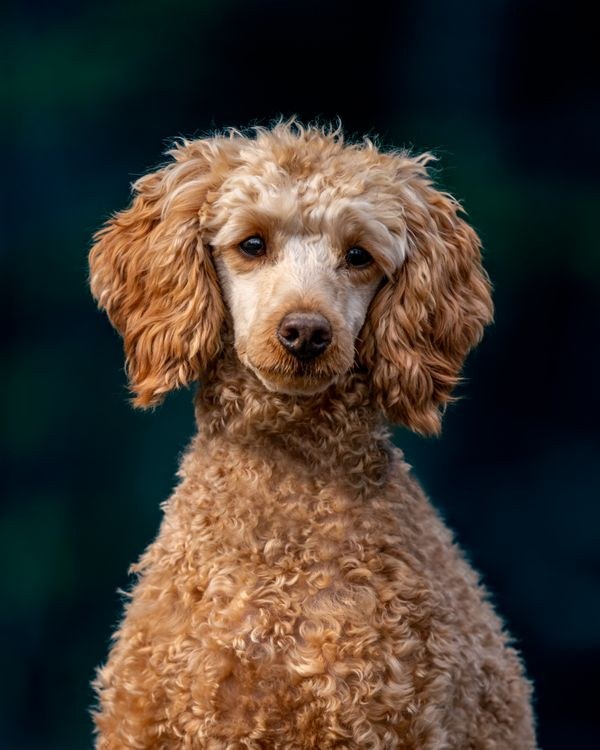
| Curly coats that keep growing | Every 4 to 6 weeks | Mats form at the skin under a tidy-looking surface; the groom becomes a clip-down instead of a haircut |
| Silky, drop coats | Every 4 to 8 weeks | Tangles felt behind the ears and in the armpits; coat breaks and looks uneven when finally brushed out |
| Heavy double coats | Every 6 to 8 weeks, timed to spring and fall sheds | Undercoat packs and felts, trapping summer moisture against the skin |
| Wire coats | Every 6 to 8 weeks | Furnishings on legs and face mat together; texture softens when clipping replaces coat care for too long |
| Short, smooth coats | Every 8 to 12 weeks | The coat forgives, but nails overgrow and ears go unchecked in the gap |
| Every dog: nails and feet | Every 3 to 4 weeks | The quick inside the nail grows longer, so each trim can take back less |
Read the coat you have, not the breed name
Breed labels only get you halfway. Two retrievers can run different clocks if one swims weekly and the other is a house dog, and mixed-breed coats, especially poodle mixes, vary dog by dog. The better test is hands-on: part the coat in the armpit, behind an ear, and at the belly, and look at the skin. If you can see clean skin and a comb passes at all three spots the day before the appointment, the interval fits. If the comb is already stopping at week two, the interval or the home brushing, or both, need to change.
Oakboro seasons bend the calendar
Stanly County weather adds its own pressure. Spring pollen coats every dog who walks under the trees, and rinsing and brushing work better on a coat that is not already overdue. Summer humidity in the Piedmont means a dense coat that stays damp after a swim or a bath is a hot-spot risk, so double coats want their blow-outs before the heaviest heat rather than after. Fall brings the second big shed for double-coated dogs, and winter, mild as it is, still brings mud that works into long leg hair and belly coat.
Practical owners book the two seasonal pinch points first, the spring de-shed and the pre-holiday groom, and let the rest of the year space itself around them. Shops fill those weeks early in Oakboro just like everywhere else.
Baths, boarding, and the in-between services
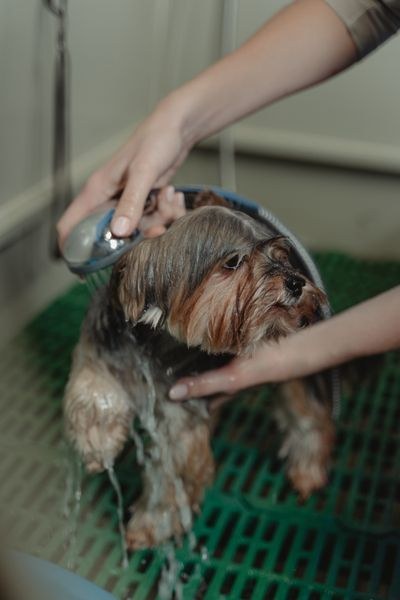
A full groom is not the only unit on the calendar. Between haircuts, a bath and brush-out resets a curly or double coat and buys the interval safely, and nail-only visits keep feet on their own shorter clock. Dogs boarding at Janinas Pet Spa & Boarding often pair a stay with a groom on the last day, which is efficient, though it does not change the coat's underlying interval once the dog is home.
Setting your dog's number
Pick the interval from the table, then correct it with two appointments of evidence. If the groomer reports mats in the same three places twice running, shorten the interval by a week or fix the home routine in those exact spots. If the dog keeps arriving in easy condition, stretch by a week and see. Senior dogs and puppies bend the pattern rather than the interval: same coat clock, but shorter, gentler sessions, and for puppies, brief intro visits before the full groom ever lands on the calendar. The dogs who do best in Oakboro are not on a perfect schedule. They are on a schedule that gets adjusted, once, based on what the coat actually did.
Common questions
Is there one interval that works for most dogs?
Six weeks is a workable middle for many coats, but it is too long for fast-matting curly coats and unnecessarily frequent for short, smooth ones. The coat table is a better starting point.
How do I tell if my interval is too long?
Comb to the skin behind the ears, in the armpits, and at the belly a week before the appointment. If the comb already stops in those spots, the interval has outrun the coat.
Can a bath between grooms extend the interval?
Yes, within reason. A bath and brush-out midway keeps curly and double coats from packing or matting, though it does not replace the haircut, nail care, and ear check of a full groom.
Photos in this guide are representative stock images.
← All guides from Janinas Pet Spa & Boarding Inc.← Back to Janinas Pet Spa & Boarding Inc.